 |
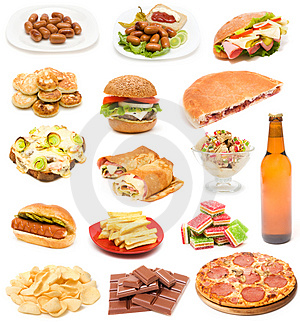
| Tasty and dollar-per-calorie efficient, but not healthy at all. |
This same concept was demonstrated in class this week, in the "People Like Us" video. For in Burlington, VT the residents had a large dispute over what grocer was to take the place of a big box store that had failed. The two choices were another chain supermarket, or a co-op market where local farmers and bakers could sell their goods. The main conflict came down to what bread the new store would retail. Residents with lower income were concerned that the co-op would not sell the 99 cent loaves of white bread that they rely on. This shows how the lower income levels of society cannot always afford the most healthy or conscious foods available. This is also a warning, for if the current grocery system is not fixed then we will have severe health and economic problems on our hands (and worse than the health and economic problems we currently face).
Why exactly white bread is not healthy: click on me
A parallel can be seen in this dietary issue and the recent Cairo, IL levee issue. Where several miles of miles of levee were to be destroyed in order to save the town of levee, but the destruction of this levee would flood several hundred thousand acres of MI farmland. However, a state representative was willing to allow Carol to be washed away, only because of its lackluster appearance and low social class citizens. This is similar to the food debate in that upper class citizens are allowing the lower classes to fail, just because they are doing well in their own right.
 |
| Cairo, IL yesterday. |

No comments:
Post a Comment