A great video I found on TED some months ago: The Secret Powers of Time
In my Logic class we have spent entire periods discussing the word choices that an author makes. This can be seen in George W Bush's address to the American People after the attacks of September 11, 2001:
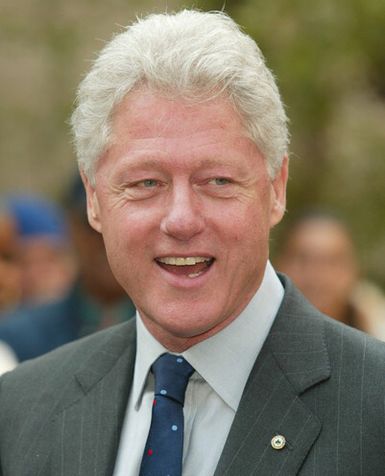
This was seen in the Do You Speak American? video, in which Bill Clinton was studied for his use of dialect. As being fluent in both "standard" American English and English with and Arkansas accent. This allowed him to be an effective speaker in many situations, for in addressing fellow leaders and politicians he could use his flat English to convey a serious tone. On the other hand, while speaking to the American People, Mr. Clinton could revert to his Arkansas accent, which would allow to to gain a familiarity with the people and avoid any threatening tones.
This language conflict can be seen today, most notably in the American value system. In America, we value progress, integrity, and studiousness. This can be attributed to a strong vocabulary in those terms. Some languages may lack the capacity to describe the notion of progress. Not to say that the language is entirely lacking in certain feature, it just may be weak. This can be see in philosophical discussions, in which words like university, idea, and moral, all become rather meaningless. This demonstrates how a language may be lacking in certain aspects, limiting its use.
In my Logic class we have spent entire periods discussing the word choices that an author makes. This can be seen in George W Bush's address to the American People after the attacks of September 11, 2001:
"I've ordered that the full resources of the federal government go to help the victims and their families and to conduct a full-scale investigation to hunt down and to find those folks who committed this act."Folks. The use of the words folks in this statement instantly changes the entire "texture" of this speech, for the American Public feels as if they are being talked with, rather than being talked at.
This was seen in the Do You Speak American? video, in which Bill Clinton was studied for his use of dialect. As being fluent in both "standard" American English and English with and Arkansas accent. This allowed him to be an effective speaker in many situations, for in addressing fellow leaders and politicians he could use his flat English to convey a serious tone. On the other hand, while speaking to the American People, Mr. Clinton could revert to his Arkansas accent, which would allow to to gain a familiarity with the people and avoid any threatening tones.
This language conflict can be seen today, most notably in the American value system. In America, we value progress, integrity, and studiousness. This can be attributed to a strong vocabulary in those terms. Some languages may lack the capacity to describe the notion of progress. Not to say that the language is entirely lacking in certain feature, it just may be weak. This can be see in philosophical discussions, in which words like university, idea, and moral, all become rather meaningless. This demonstrates how a language may be lacking in certain aspects, limiting its use.